


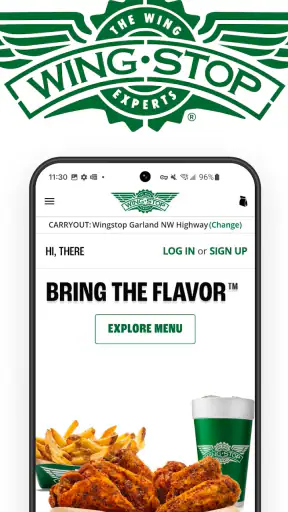
I like food-ordering apps most when they remove small decisions rather than create new ones, and Wingstop mostly understands that. It is a focused Food & Drink app from Wingstop Restaurants, Incorporated, built around ordering wings for delivery or carryout. I found it more useful as a repeat-ordering tool than as a general restaurant discovery app: when I already know what I want, the path from opening the app to choosing a meal feels much more direct than browsing a broad delivery marketplace.
Wingstop is free to use, rated for Everyone, and has been available since November 11, 2011. Its current version is 2026.8.0, with support beginning at Android 7.0. That makes it accessible on a wide range of Android phones, while its strong 4.8 average from roughly 189,000 ratings and more than five million installs suggest that it has become a familiar option for regular customers rather than a rarely used companion app.
How the everyday ordering workflow feels
My normal approach is simple: I open the app when I have already decided that Wingstop is what I want, choose between delivery and carryout, then work through the menu without trying to recreate the entire meal in my head. That distinction matters. The app is at its best when it acts as a direct channel to the restaurant, not when I expect it to compare every nearby dining option.
For a typical evening, I would use carryout when I am already near a restaurant and delivery when I want the food brought to my door. Keeping that choice in mind before browsing prevents an easy mistake: spending time building an order and only later realizing that the selected service does not suit the occasion. I recommend deciding the handoff method first, especially when timing matters.
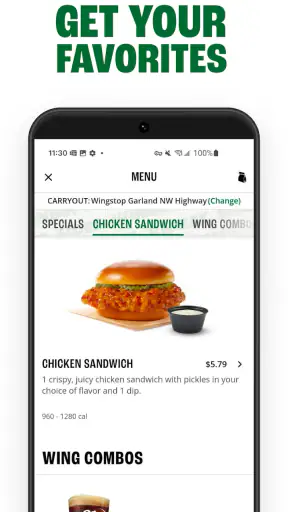
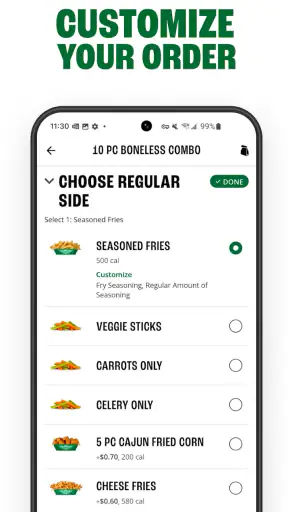
The menu is naturally centered on wings, but the useful part of the experience is how the order can be shaped around a group. One person may want a familiar flavor, another may prefer something different, and sides or drinks can turn a personal order into something shareable. I found it easier to think in portions and preferences than to treat the app like a standard grocery basket.
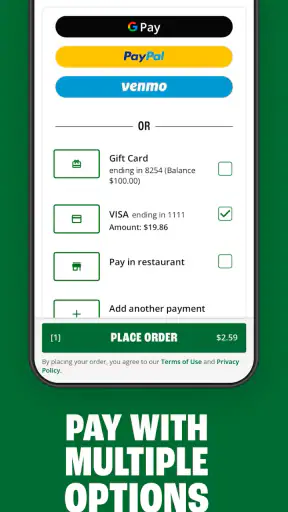
One practical habit is to pause before checkout and read the order as if I were the person receiving it. I check the number of items, flavor choices, side selections, and the delivery or carryout method. This sounds obvious, but restaurant orders are especially vulnerable to small selection errors because several choices can look similar while serving very different needs.
For a household order, I also separate “must have” items from optional extras before tapping through the menu. That keeps the process quicker and helps avoid adding something simply because it appeared while I was scrolling. The app is convenient, but convenience can encourage impulse additions just as easily as it can save time.
Why the direct restaurant route can be better
Compared with a broad delivery marketplace, the main advantage here is focus. I do not have to search through unrelated restaurants, compare menus that use different names, or wonder whether I am looking at the restaurant’s complete selection. If Wingstop is already the decision, the dedicated app feels less cluttered and more purposeful.
There is a trade-off, though. A marketplace is better when I am undecided, want to compare delivery fees across several restaurants, or need to combine options from different places. Wingstop cannot replace that wider search. I would skip it when the real question is “what should I eat?” rather than “how do I order Wingstop?”
The dedicated route is also useful for someone who orders the same kind of meal repeatedly. Instead of rebuilding the decision from scratch every time, I can develop a personal routine: choose the service, select the familiar core order, review the details, and submit. That repeatable pattern is more valuable than flashy extras because it reduces the mental work involved in a busy evening.
Settings and choices worth checking before confirming
The first setting worth checking is the service type. Delivery and carryout are not just two buttons at the beginning; they change the practical expectations of the entire order. If I am driving past a restaurant, carryout is usually the cleaner choice. If I am working, caring for children, or avoiding an extra trip, delivery may justify the additional waiting and handoff.
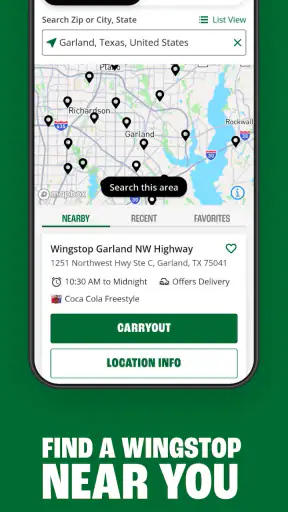
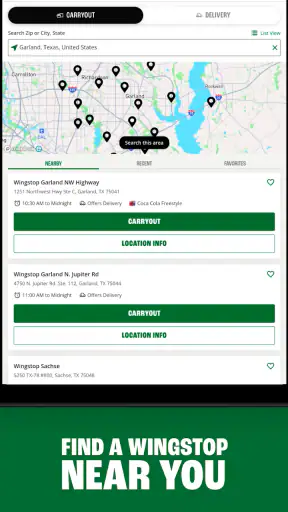
I also pay attention to the selected restaurant location before finalizing anything. This is an easy detail to overlook when several branches are nearby. A location that looks close on a map may not be the most convenient one for my route, and a carryout order is only useful if I can reach the chosen restaurant without turning a quick meal into a detour.
Another worthwhile check is the account and contact information used for the order. I want delivery instructions and phone details to be current enough for a smooth handoff. I do not treat this as a place to write a long explanation; concise, practical directions are easier to follow than a paragraph packed with landmarks and exceptions.
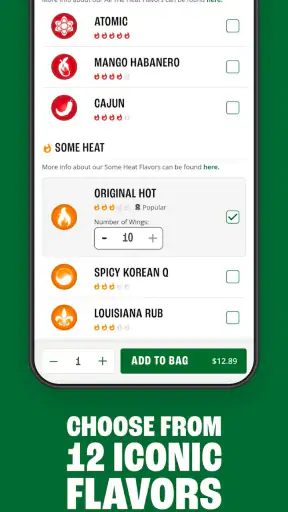
Before submitting, I review the basket with special attention to customization. Wings, flavors, sides, and quantities can create a lot of combinations, and the most expensive mistake is not necessarily a wrong item—it can be ordering the right category with the wrong quantity for the people eating. I count servings against the actual group rather than relying on memory.
The most useful “setting” is often a habit: choose the location and service method before building the basket. That order of operations reduces rework. If I browse first and decide later, I am more likely to miss a location change, overlook a service difference, or rush the final review because I have already invested time in the order.
Shortcuts that make repeat orders less tiring
Experienced use does not require imaginary hidden tools. The best shortcut is consistency. I keep a mental template for the order I usually want: the main item, the flavor direction, the side, and whether I am collecting it or waiting for delivery. When I open the app, I use that template as a checklist instead of making every decision from zero.
For a family or group, I find it helpful to collect everyone’s preferences before opening the menu. Asking one person at a time while the app is open creates unnecessary back-and-forth and makes forgotten requests more likely. A short note with names and choices turns the ordering screen into an execution step rather than a negotiation.
A second efficient pattern is to build the order in a stable sequence. I start with the shared or central items, then handle individual preferences, then add sides and drinks, and finally review quantities. This prevents me from jumping between sections and losing track of what has already been selected.
When I am ordering for myself, I do the opposite: I decide the meal size first and avoid browsing every available option. The app becomes faster when I treat it like a known menu rather than entertainment. That is a small behavioral change, but it makes the dedicated app feel much more efficient than a general marketplace for repeat customers.
For carryout, I place the order only after considering my route and likely arrival window. The app can make ordering quick, but it cannot remove the need to coordinate the pickup with real life. If I am still far away, ordering too early can be as inconvenient as ordering too late. I prefer to align the order with a realistic trip rather than assume that “fast” means “ready whenever I arrive.”
For delivery, I prepare the receiving situation before submitting: I make sure I can hear or notice the arrival, and I keep the phone available. This is not an app feature; it is the practical companion habit that prevents a straightforward order from becoming a missed handoff.
Where the focused design reaches its limits
The app’s biggest limitation is also its identity. It is designed around one restaurant brand, so it will not help me compare Wingstop with other chicken restaurants, find a vegetarian-focused menu elsewhere, or build a mixed order from multiple businesses. That narrowness is helpful when I have already made my choice and inconvenient when I have not.
It also depends on the quality of the information I enter. A dedicated ordering app can streamline the transaction, but it cannot decide whether my group wants mild or bold flavors, whether a side is enough for everyone, or whether carryout fits my schedule. The app handles the mechanics; I still have to make the meal-planning decisions.
Another limitation is that a quick interface can encourage rushed confirmation. When the order feels easy, I may be tempted to tap through without checking the details. I consider the final review essential, particularly for larger orders where a single incorrect selection affects more than one person.
People who want extensive restaurant comparisons may prefer a marketplace app. People who order only occasionally may also find the dedicated download less compelling if they already have a preferred ordering method. I would especially skip it when I am trying to minimize the number of food apps on my phone and do not expect to order from Wingstop often.
On the other hand, regular customers gain something that a general marketplace does not always provide: a clear, brand-specific workflow. The app’s value rises with familiarity. The more often I know my preferred order, location, and service method, the less time I spend searching and the more the app behaves like a reliable shortcut.
Who will get the most from it
I think this app suits Wingstop regulars, households ordering for several people, and anyone who wants a direct route to delivery or carryout without browsing unrelated restaurants. It is also a sensible choice for someone who prefers to keep restaurant ordering separate from a large marketplace account and menu system.
It is less suitable for diners who are still comparing options, people who need a broad range of dietary categories from many restaurants, or anyone who rarely wants Wingstop specifically. A focused app should be judged by how well it handles its focused job, not by features it was never meant to provide.
The age rating of Everyone makes it broadly approachable for households, although the actual usefulness still depends on the adult placing the order and checking the details. I would not confuse an accessible rating with a guarantee that every ordering situation is effortless; location choice, timing, and customization still require attention.
Because the app is free, the decision is mainly about convenience and storage rather than an upfront purchase. I see it as worthwhile when the restaurant is already part of my routine. If I order only once in a long while, using another familiar route may be simpler than maintaining a dedicated app for occasional use.
My verdict after building a repeatable routine
Wingstop works because it does not try to be everything. It gives me a direct way to arrange delivery or carryout from Wingstop, and its strongest quality is the way that focused purpose supports repeatable habits. Decide the service first, verify the location, collect preferences before opening the menu, build the basket in a consistent order, and review quantities before confirming.
Those habits matter more than speed claims or decorative extras. They reduce the most common sources of friction: choosing the wrong handoff method, overlooking the restaurant location, forgetting a group member’s preference, or submitting an order without checking the final basket.
My honest recommendation is conditional but positive. If you already enjoy Wingstop and expect to order more than occasionally, I would install it and use it as the direct ordering channel. The combination of a free app, broad device compatibility, and a sizable user base makes it an easy option to try. Its 4.8 average across roughly 189,000 ratings also gives me confidence that the basic experience works well for many customers, though ratings cannot replace checking whether its focused workflow matches my own habits.
If you want restaurant comparison, broader discovery, or one app for many kinds of food, choose a marketplace instead. If you want a straightforward way to order wings for delivery or carryout and are willing to spend a few seconds reviewing the details, Wingstop is a practical, focused choice. I would describe it as most valuable not for one dramatic feature, but for making a familiar order easier to repeat correctly.


